Blog Categories
Blog CategoriesDiscover the Ancient Irish Alphabet: Ogham
Long before Ireland’s written history began, our ancestors carved messages into standing stones using a mysterious and beautiful script known as Ogham. Found across Ireland (and parts of western Britain), Ogham is considered Ireland’s earliest written alphabet, dating back as far as the 4th century AD.
What Is Ogham?
Ogham (pronounced “OH-um”) is a unique alphabet made up of a series of lines or notches carved along a central stem line. Each set of strokes or marks represents a letter in the early Irish language, Primitive Irish - a precursor to modern Irish (Gaeilge).
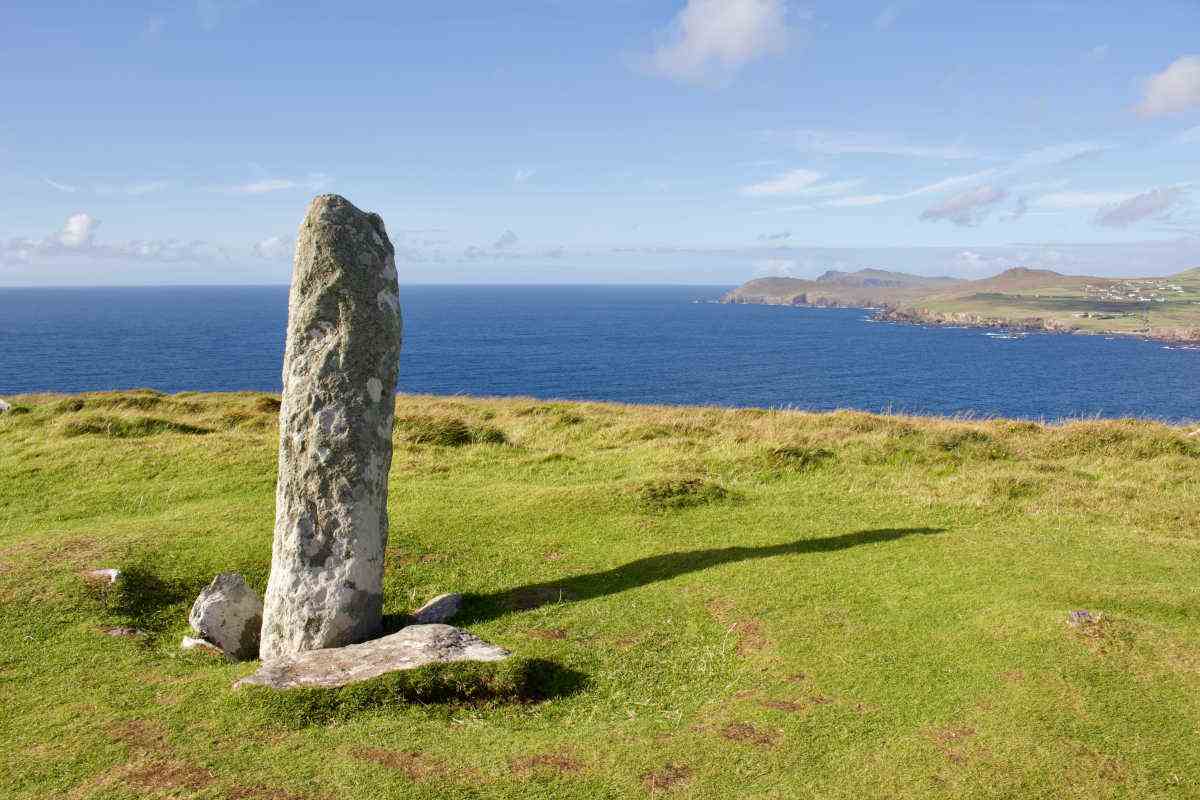
Traditionally, Ogham was inscribed vertically on stone pillars, with the text read from the bottom up along the central line of the stone. Later, it was also written horizontally in manuscripts, much like how we write today.

The Origins of Ogham
Scholars believe Ogham was developed around the 4th or 5th century AD, possibly as a way for the early Irish to record names and mark territory. Many surviving Ogham stones are gravestones or boundary markers, inscribed with names such as “MAQI” (meaning “son of”) followed by a person’s or ancestor’s name.
While its exact origins are debated, Ogham is often linked to the Druidic traditions and the ancient Celtic tree alphabet - each letter corresponds to a tree or plant in Irish folklore, such as Beith (Birch), Luis (Rowan), and Nion (Ash).
The Ogham Alphabet
Ogham consists of characters made up of one to five strokes placed to the left, right, across, or through a central line. You can see how each Latin letter corresponds to its Ogham form in the table below:
| Letter | Ogham | Name | Meaning |
|---|---|---|---|
| [space] | space | ||
| A | ᚐ | ailm | pine / fir |
| B | ᚁ | beith | birch |
| C | ᚉ | coll | hazel |
| D | ᚇ | dair | oak |
| E | ᚓ | eadhadh | aspen |
| F | ᚃ | fern | alder |
| G | ᚌ | gort | ivy |
| H | ᚆ | uath | hawthorn |
| I | ᚔ | iodhadh | yew |
| L | ᚂ | luis | rowan |
| M | ᚋ | muin | vine |
| N | ᚅ | nion | ash |
| O | ᚑ | onn | furze |
| P | ᚚ | peith | soft beith |
| Q | ᚊ | ceirt | apple |
| R | ᚏ | ruis | elder |
| S | ᚄ | sail | willow |
| T | ᚈ | tinne | holly |
| U | ᚒ | ur | heather |
| X | ᚕ | ||
| Z | ᚎ |
| Missing Letter | Replacement Letter | Ogham |
|---|---|---|
| J | G | ᚌ |
| K | Q | ᚊ |
| V | F | ᚃ |
| W | UU | ᚒᚒ |
| Y | I | ᚔ |
Write Your Name in Ogham
Curious how your name or a favorite word would look in this ancient script? Try it out below!
Just type your name into the translator, and it will instantly show you how it appears in authentic Ogham characters.
This makes for a wonderful way to connect with your Irish heritage, create a personalized jewelry engraving, or simply explore the beauty of one of Europe’s oldest alphabets.
Where to See Ogham in Ireland
Over 400 Ogham stones have been discovered across Ireland - with the highest concentrations found in Counties Kerry, Cork, and Waterford. Many are preserved in museums, while others still stand proudly in their original locations, such as Kilmalkedar Church in Dingle and Mount Brandon.
If you’re traveling through Ireland’s wild landscapes, keep an eye out - you might just encounter one of these silent sentinels from our ancient past.
Ogham Today
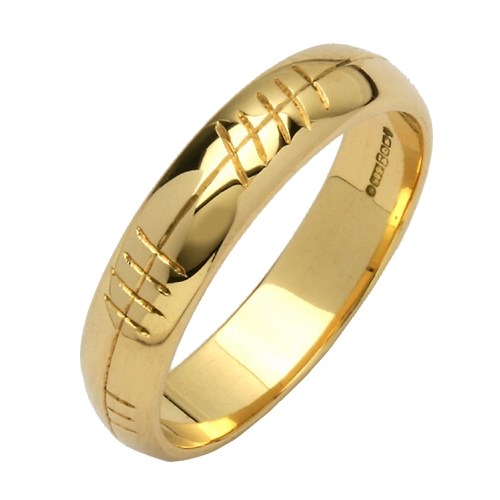
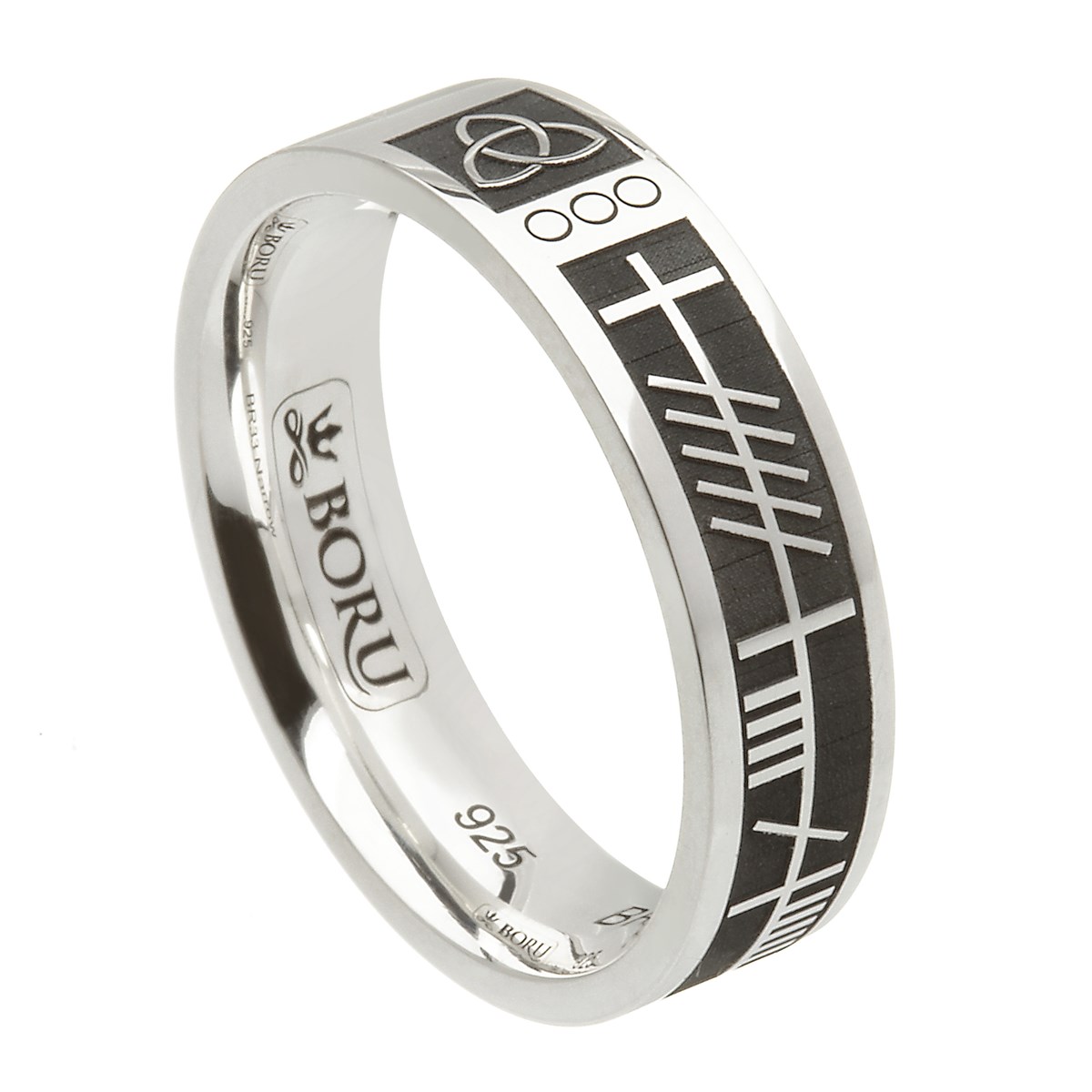
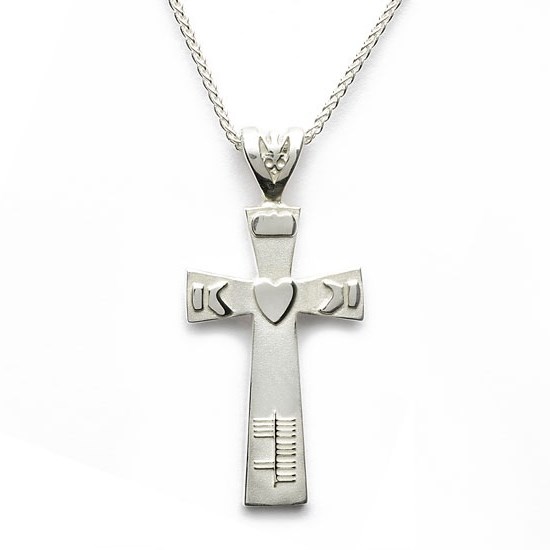
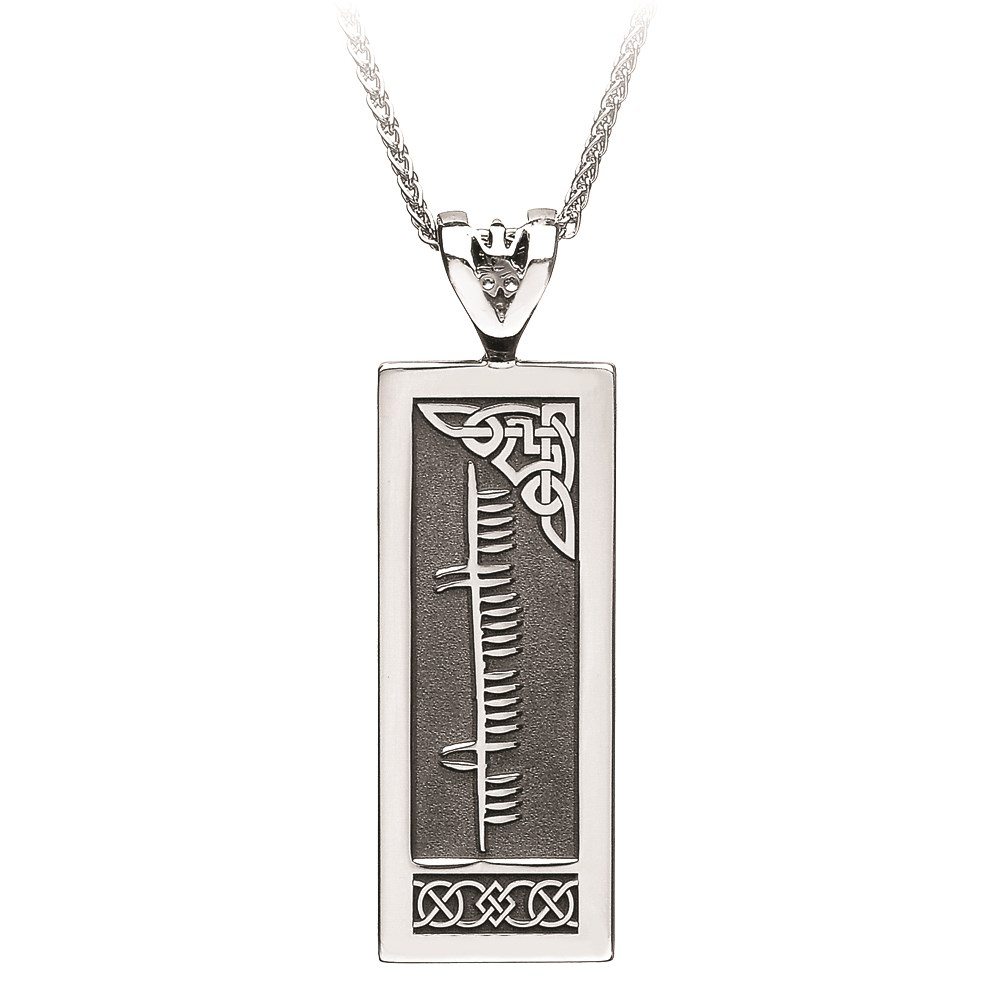
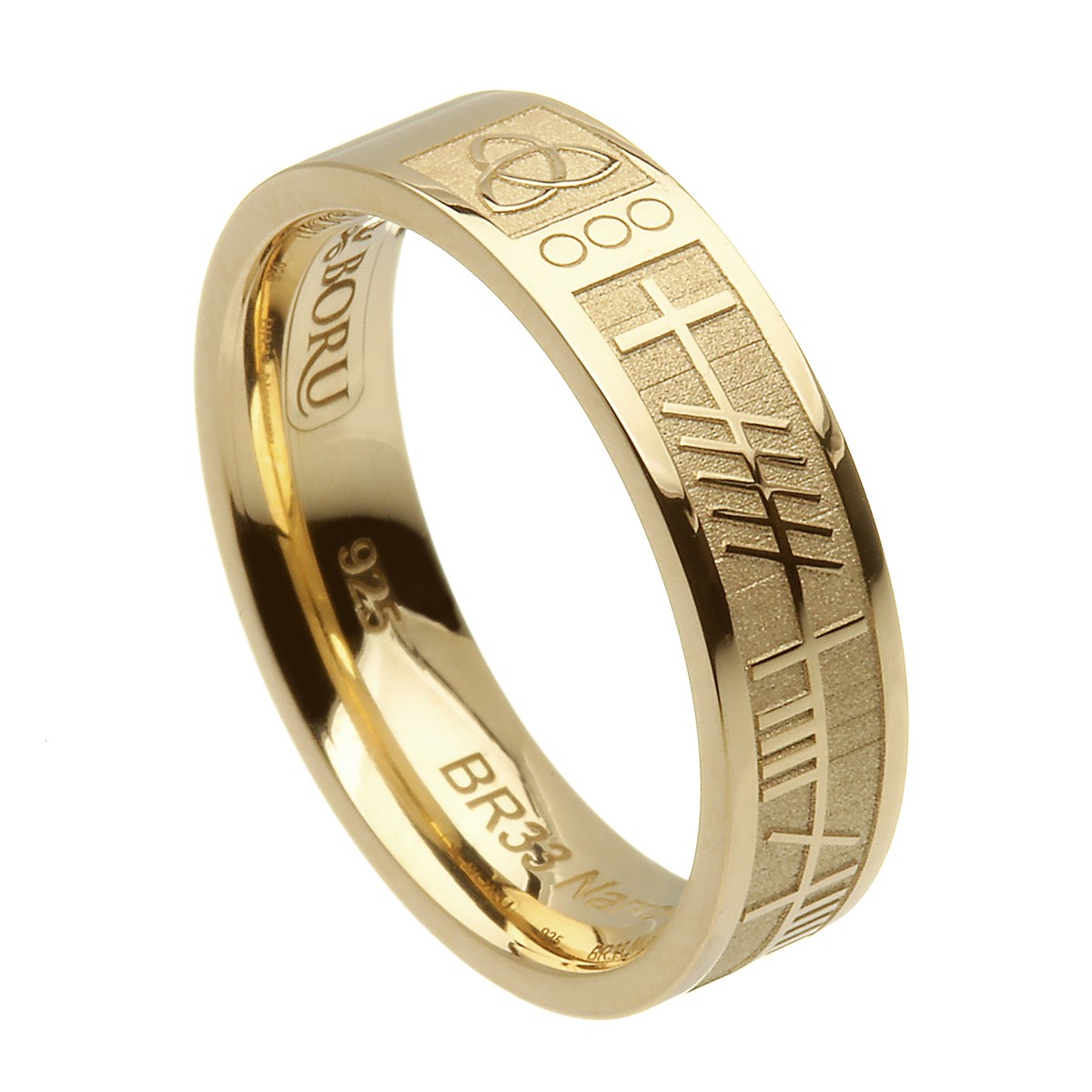
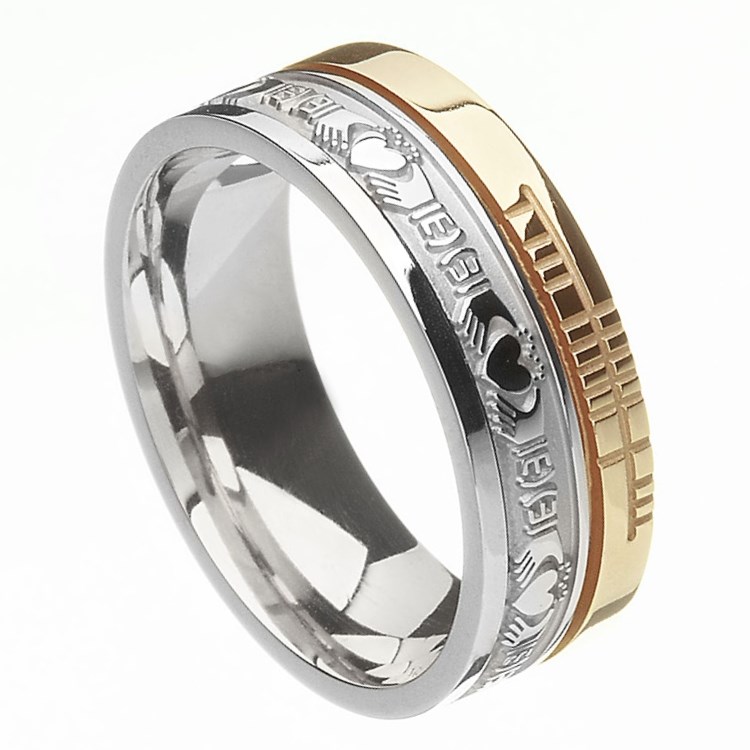
Ogham continues to capture the imagination of artists, craftspeople, and heritage enthusiasts. It’s often used in Irish jewelry, tattoos, and artwork, symbolizing a deep connection to ancestry, nature, and language.
Whether carved on stone 1,500 years ago or engraved on silver today, Ogham remains a timeless expression of Irish identity and pride.